
One of the misconceptions about the arts and entertainment industry is that creatives generate a lot of revenue and live lavish lifestyles. Some even assume it is easy to sign record deals and secure bookings for live performances. Others even think artists leave a lot of money for their dependants through their estates at the time of their passing. Sadly, the creative industry does not create millionaires out of all those who are its practitioners.
Pilani Bubu is a storyteller, singer, songwriter, TV presenter and creative entrepreneur. She is also the founder and curator of The Folklore Festival. She is a B Comm: LLB graduate whose studies included economics, business management, marketing and law. Upon graduation, Pilani worked in a more creative environment, in marketing agencies for 13 years. After the success of her debut album album “Journey of a Heart”, she quit the corporate sector and became a full time musician.
This year, The Folklore Festival announced the launch of its fifth edition of Fringe shows. A multi-city roadshow geared towards artist development and exposure across multiple disciplines of art. Supported by the National Arts Council, produced by Bupila, the Folklore Community is embarking on a journey of communion, creativity and creative legacy under the theme #KINFOLK. The two month roadshow is targeted at Durban, Gqeberha, Johannesburg, Pretoria and Polokwane audiences.
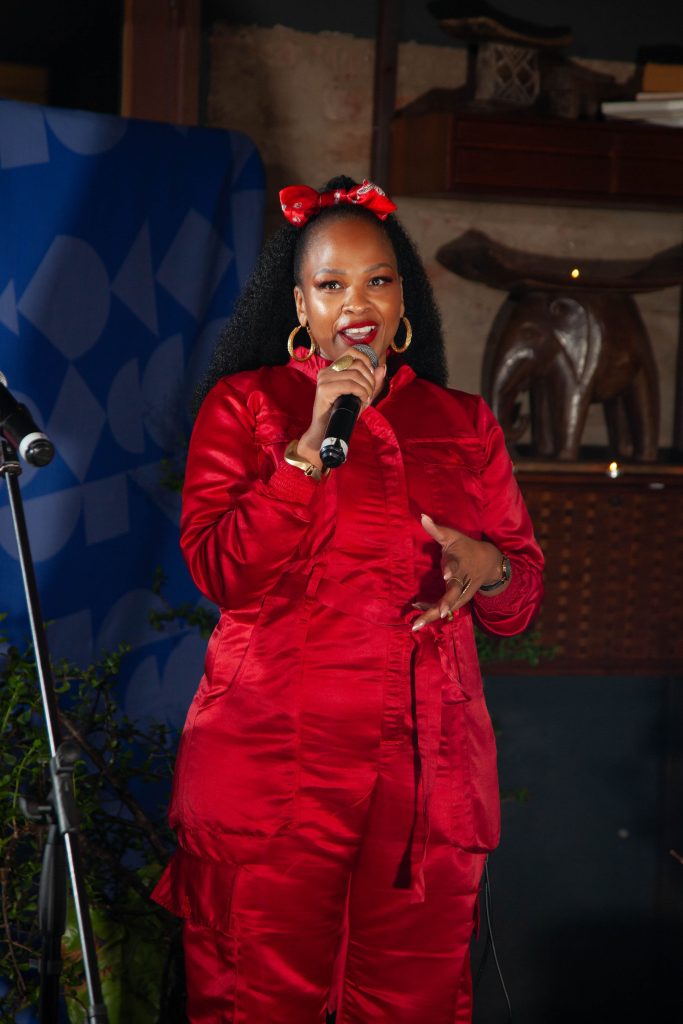
Pilani Bubu. Picture by Menzi Panda
The mission is to connect artists with industry professionals and practical expertise that transforms creative ability into viable business strategies, realigning perceptions, distribution rights, publishing rights and community building. It also aims to bridge the gap between artistic expression and sustainable success, giving artists tangible and invaluable connections that support their professional growth within South Africa’s dynamic cultural landscape.
Attendees are invited to Industry Days which transition to Industry Nights, aimed at creating a dual environment for educational dialogue and artists showcases. The Industry Days open up the portal for artist development and the Industry Nights are to give access to artists in the region that Pilani and her team feel are ready to be booked for other folk stages to share their stories, show formats and musical styles.
Creatives gathered at The Chairman, Durban, for the first of these roadshows for 2026 on Friday 06 March. The programme included conversations with industry practitioners Pilani had with Zawadi Yamungu, Dr Gcina Mhlophe and Thulile Zama in front of an attentive audience. Live performances are an integral part of an event targeted at creatives and this was no exception. Artists that were on the lineup gave incredible live performances. Pilani asked the attendees to actively participate in the dialogues, which they did.
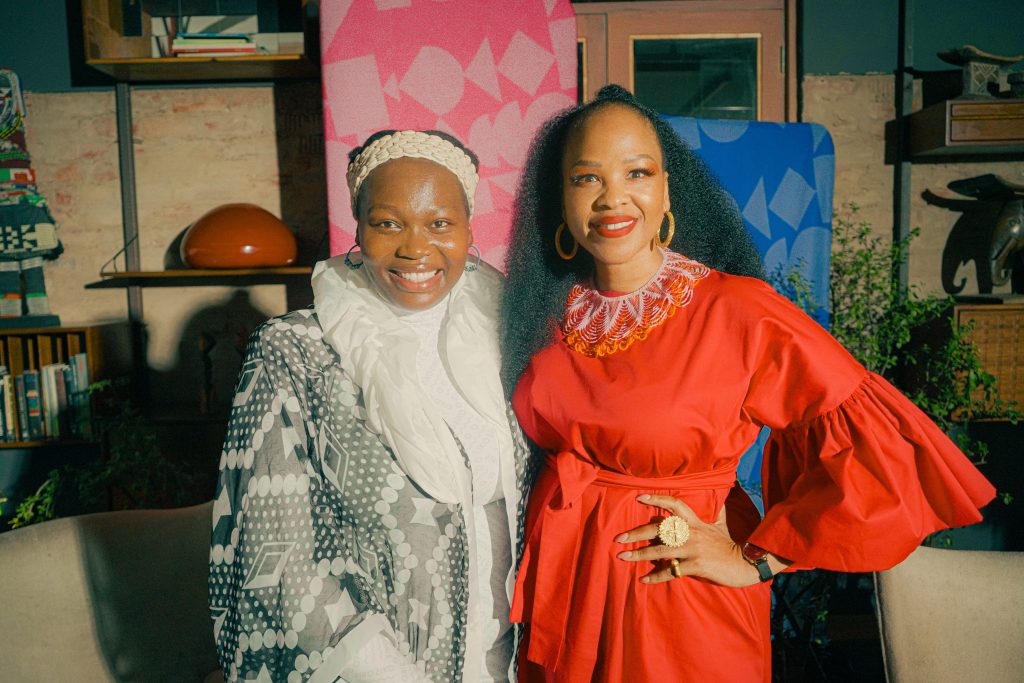
Zawadi Yamungu with Pilani Bubu. Picture by Motsei Naledi
Nkosingiphile Mpanza is popularly known by her stage name Zawadi Yamungu, which means Gift from God in Swahili. The musician, composer, and arranger was born in Mandeni, North of KZN. A protégé of Mbuso Khoza, she is uMakhweyana bow and Ugubhu player. Her sold out performance of “Ngimuhle” album tour was going to take place at The Playhouse the following day. Despite all the success she is enjoying, Zawadi always comes across as a modest and focussed creative.
It was back at school where she first displayed the talent to sing. One of her former teachers recently reminded her of the singing she did back then. Like most of her friends at a younger age, she idolised some of the popular RnB artists and would sing along to their songs. Studying at K-CAP Multi Arts Centre in KwaMashu introduced her to the world she never imagined. She learned singing, acting and most importantly, how to be an entrepreneur and a professional.
Young creatives sitting at The Chairman auditorium listened attentively as Zawadi spoke about her highs and lows in her career, how she overcame them, and the lessons learnt. She advised them to treat the work they do as a profession. It is not a secret that the entertainment industry is male dominated. She encouraged females to work together and support one another. As a successful independent artist, she emphasized the importance of owning one’s intellectual property.
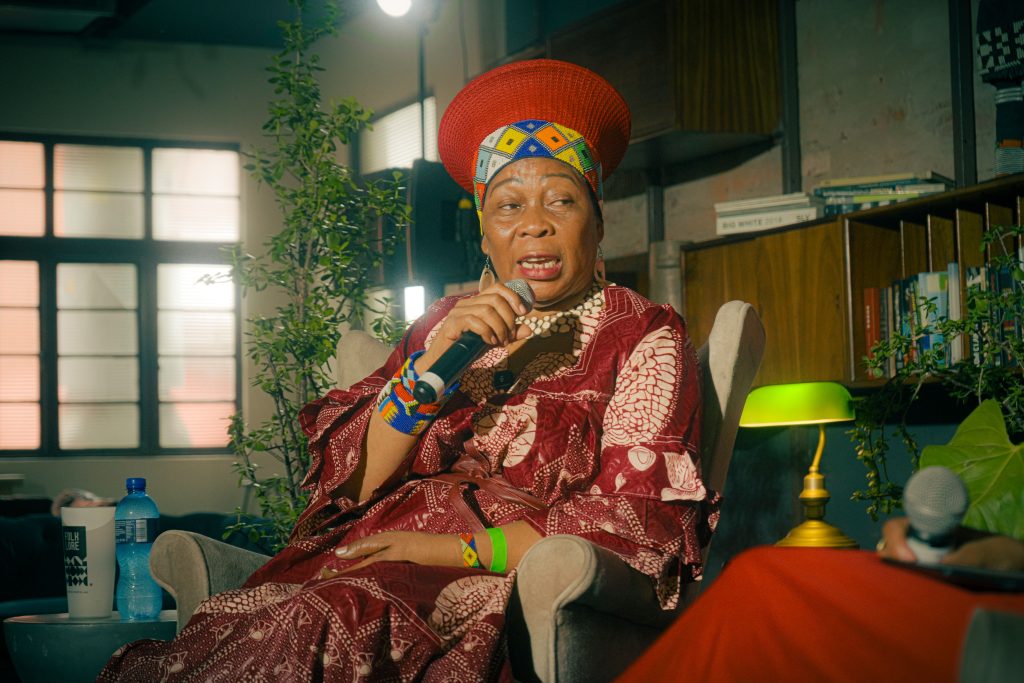
Dr Gcina Mhlophe. Picture by Motsei Naledi
Next guest to share her journey was legendary storyteller, author, playwright and activist Dr Gcina Mhlophe. Her father had a huge influence in her love for reading. He was a good storyteller who loved history. Growing up, she remembers how she hated her baritone voice until words of affirmation that told her ‘don’t worry, your voice is resonant’. From that day, she embraced that voice the way it is and never looked back.
Dr Mhlophe advised the audience not to take sceptics seriously because they are often forced to eat humble pie as their wrong predictions turn into stories of success. She gave an example of “Have You Seen Zandile?”, a book she wrote in memory of late mother. Sceptics told her the book was not an interesting read and was not going to be a success story. Much to their disappointment, not only was the book well received, it resulted in a play of the same title that was created which has been staged every year, for the past 40 years.
She further advised the audience to take pride in being African by supporting work done by African creatives be it authors, film makers, thespians, fashion designers, musicians, and many others. Dr Hlophe said the success of creatives is dependent on them carrying themselves in a professional manner. As she concluded her dialogue, she sang a song titled “Bayazisola” making reference to sceptics that doubted her ability as a book and script writer.
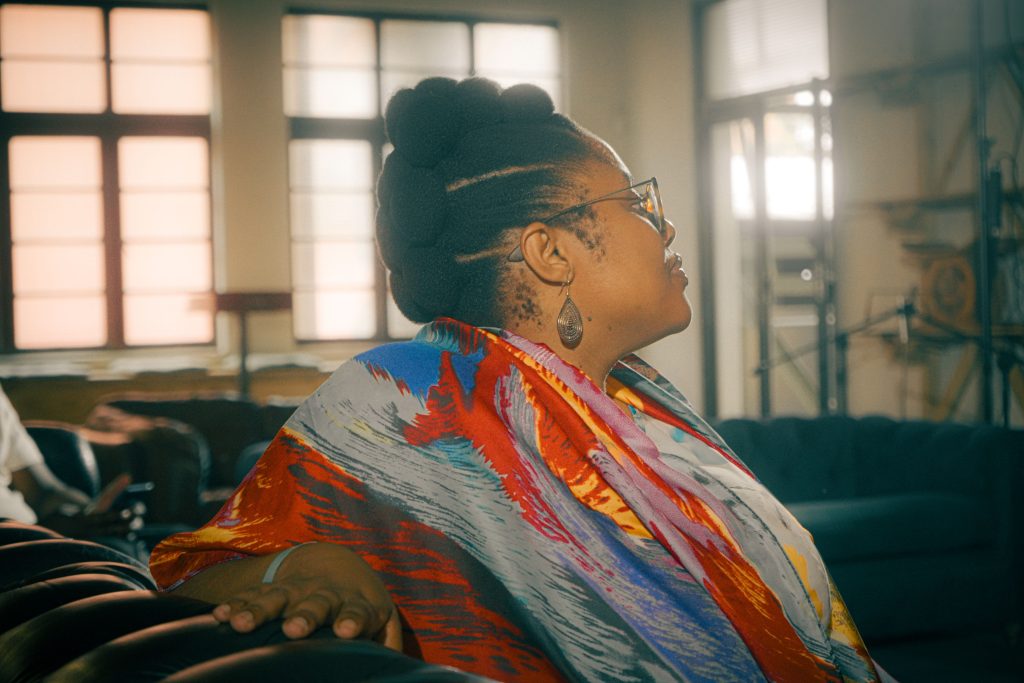
Thulile Zama. Picture by Motsei Naledi
Thulile Zama was the last guest to converse with Pilani. She is the concert co-ordinator at UKZN Centre for Jazz and Popular Music. She is also founding member of Heels Over Head, and all female Jazz band, and member of Jazz duo N’den. Thulile said she was grateful to be mentored by Gisele Turner, whom she met in her early stages of her career. It became clear that she and Pilani had travelled almost similar career paths.
Some of the things she mentioned are what many assume creatives know but often tend not to prioritise. She spoke about how to package or brand yourself as an artist or an ensemble if you want to get booked for performances. Creatives need to print business business cards which are vital to carry as part of networking. Profiles must always be updated, so are the photos which must always be the most recent. It is important for musicians to give technical riders whenever they are billed to perform.
If artists get rejected for funding, it does not mean it is the end of the world. They must continue applying. Thulile also encouraged musicians to be very active on social media. Artists must accept that doing a lot of admin, researching and sourcing information in important for their growth and success. Essentially multitasking is needed, giving an example of Pilani being a content creator for her festival, probably because of her background as a TV presenter.
In between the dialogues were performances of indigenous folk music which included storytelling and acoustic guitar strings by artists Dawn Melanie, Mike Makhosini and Hloniphani Arts. As the sun set, the Industry Day transformed into Industry Night with more African music performances by UMenzi, Many More and Dr Madala Kunene who was the headline act. This is in line with the intentions of the Folklore Festival which is celebrating African culture, heritage, storytelling traditions and indigenous knowledge systems.
The Industry Day gave a platform for very insightful and engaging conversations, covering topics that make some feel uncomfortable because of the truth they reveal. This initiative by Pilani will empower many creatives with a toolkit on how to survive in this tough and demanding industry. All those upcoming artists that reside in areas where these events will be taking place are strongly advised to attend as there is a lot to learn.
As the late poet and author Dr Don Mattera once said “being an artist is a gift from God”, no one can take away that gift given by the creator. However, artists must learn about the pros and cons early in this career to avoid making mistakes. It is hard to imagine a world without musicians, dancers, writers and thespians. Most importantly, as part of social cohesion, patriotism is what will make South African creatives be valued for their work.

0 thoughts on “Folklore Festival creates a platform for artists to engage in a dialogue”
Comments are closed.